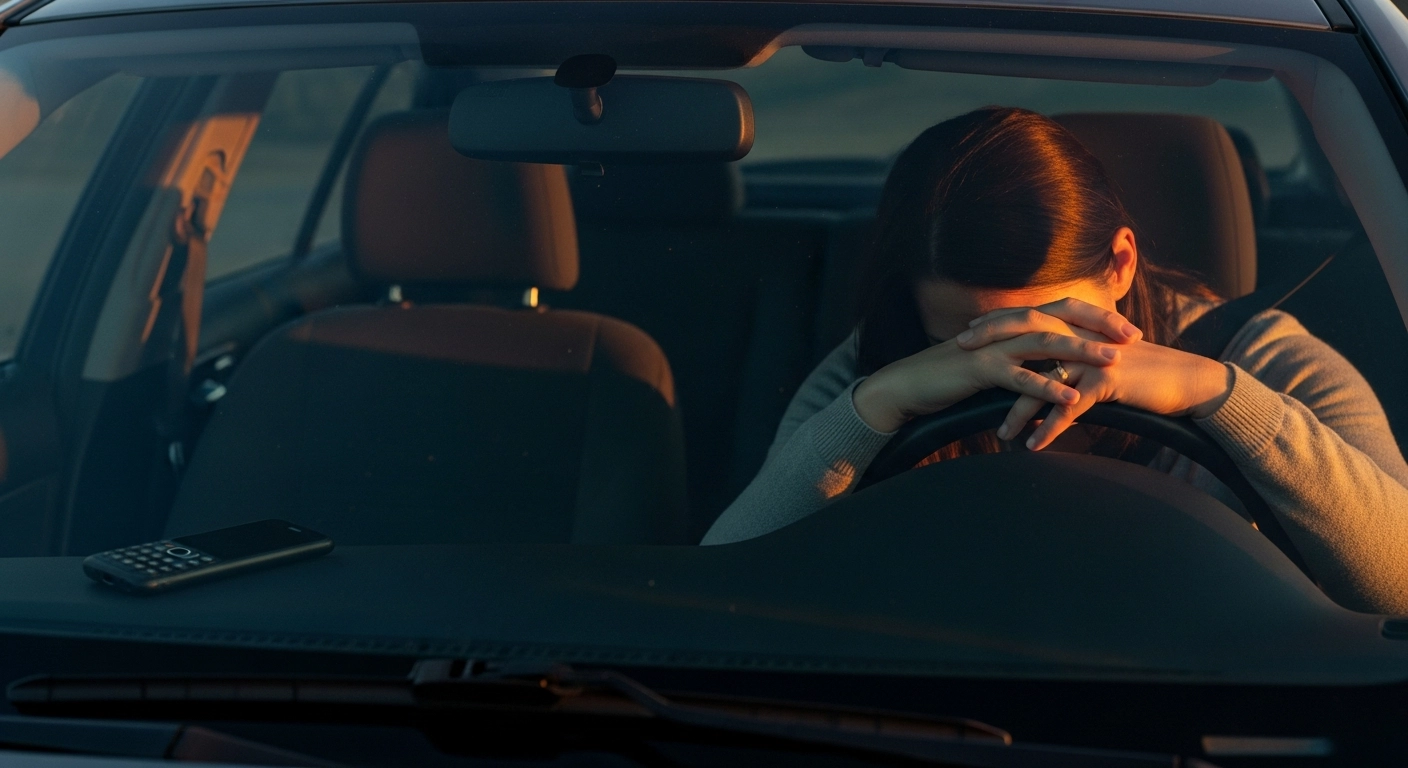
My world didn't just crack; it imploded the day the email arrived.
It wasn't an email full of hope, as I’d been expecting for months.
Instead, it was a cold, clinical rejection from the clinical trial.
The one last chance I had at a normal life, slipping through my fingers.
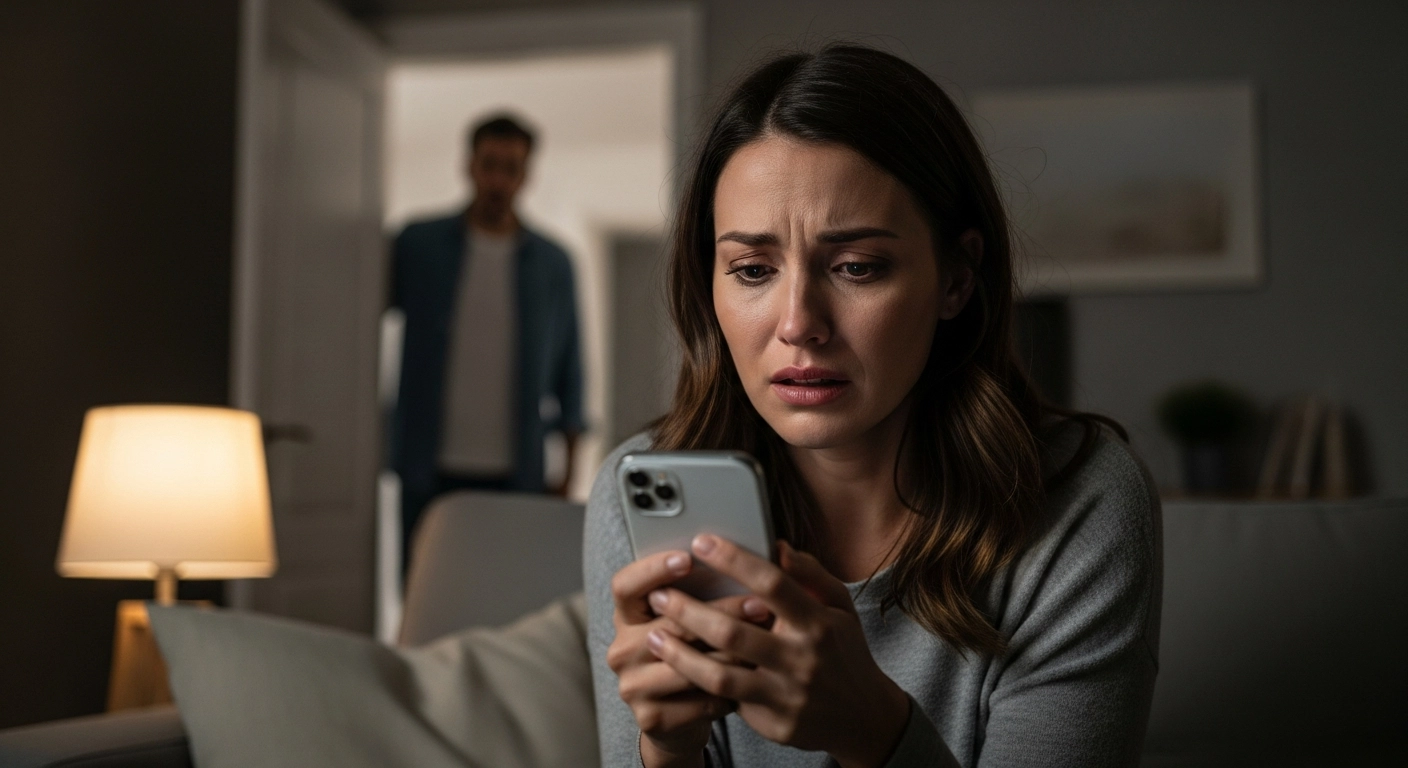
I remember staring at the screen, a suffocating silence filling my small apartment.
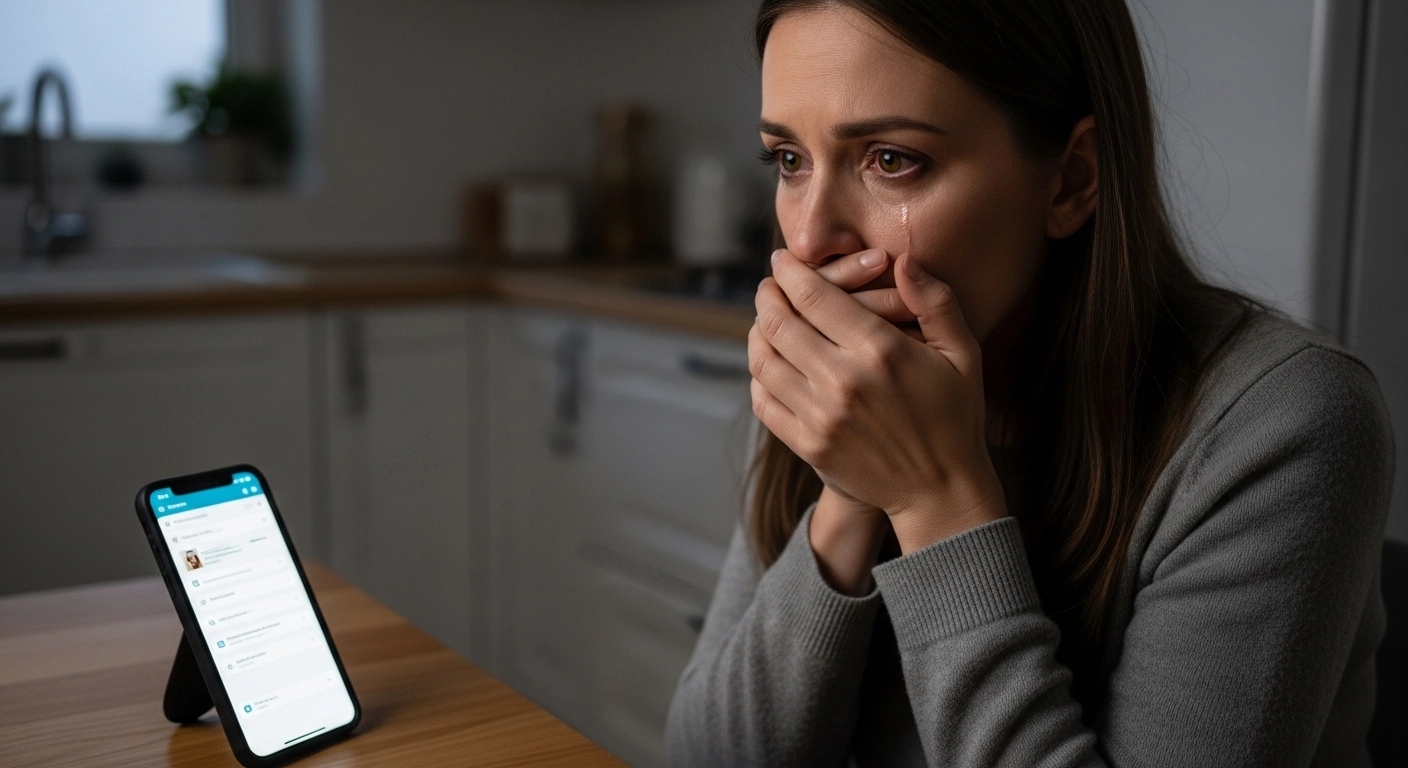
My hands trembled, clutching my phone like a lifeline that was rapidly fraying.
The trial was for my autoimmune condition, one that had slowly been stealing my mobility.
It was rare, aggressive, and had no other known cure.
This trial was everything.
It was my future, my ability to walk, to work, to simply live without constant pain.
The rejection letter cited "inconsistencies" in my blood work and genetic markers.
It said I no longer met the "strict eligibility criteria."
But that couldn’t be right.
I had been so meticulous, so careful with every single test, every single appointment.
I’d spent years navigating doctors, specialists, and endless paperwork.
My sister, Sarah, had been with me through so much of it.
She was my advocate, my support system, my best friend.
Or so I thought.
We shared everything, a bond forged in childhood sleepovers and whispered secrets.
She knew how much this trial meant to me, how much I feared losing my independence.
She’d even accompanied me to a crucial appointment just weeks before.
She sat in the waiting room, holding my hand, offering brave smiles.
"We'll get through this together," she'd promised, her eyes wide with what I believed was genuine concern.
But the rejection email gnawed at me.
"Inconsistencies."
It sounded too deliberate, too specific, not like a simple error.
A faint, chilling memory pricked at the back of my mind.
That day, in the waiting room, when Sarah had "accidentally" spilled coffee on my folder.
She'd rushed to "help" clean it, insisting on reorganizing my papers for me.
I’d been so grateful for her help, so focused on my impending appointment.
Now, a dark, unsettling feeling began to take root in my gut.
I called the clinic, my voice tight with desperation.
They were kind but firm, reiterating the "definitive" test results.
My specific genetic marker, which made me eligible, was apparently no longer present.
My blood work showed a different profile.
It was like looking at someone else's medical chart.
Over the next few days, I spiraled, caught in a vortex of pain and confusion.
My condition worsened without the trial to look forward to.
My joints ached, my muscles weakened further.
Desperate, I remembered an old doctor, a family friend, who had seen me for years.
He kept meticulous paper records, a rarity these days.
I called him, explaining my heartbreak, my confusion, the baffling "inconsistencies."
He agreed to dig out my archived files.
A week later, his voice on the phone was grave, laced with a pity that cut me to the bone.
"There's something very wrong here, sweetheart," he’d said, his voice raspy.
He had my original test results, dating back years.
They clearly showed the genetic marker.
They clearly showed the blood profile that met the trial's exact specifications.
His records were pristine, untouched.
But the recent ones?
The ones submitted for the trial were starkly different.
Someone had actively falsified my most recent medical documents.
My heart stopped.
It couldn't be.
Who would do such a thing?
The question hung in the air, heavy and menacing.
I thought of Sarah, her "helpful" rearranging of my files.
Her sudden, intense interest in my medical appointments.
Her strange, veiled questions about my chances, about what a "normal" life would mean for me.
A sickening wave of nausea washed over me, colder than any pain my body had ever known.
I drove to her house that evening, the doctor's old files clutched tight in my trembling hands.
She opened the door, her smile bright, too bright, almost brittle.
"You look terrible," she said, her concern sounding hollow.
I didn't waste time.
I laid the old files on her coffee table, right next to the recent, falsified ones I’d somehow obtained.
"What is this, Sarah?" I asked, my voice barely a whisper, thick with betrayal.
Her face drained of color, slowly, agonizingly, like a photograph fading into dust.
Her eyes darted between the documents, then to me, a flicker of something ugly crossing them.
"I don't know what you're talking about," she stammered, her voice thin and reedy.
But her hands, I noticed, were clenched so tight her knuckles were white.
I pushed, gently at first, then with the force of a tidal wave of pain.
"Why, Sarah? Why would you do this? You knew this was my last hope."
She finally broke, crumbling into a heap on the floor.
Tears streamed down her face, but they felt cold, rehearsed.
"I just... I couldn't stand it anymore," she sobbed, her words barely audible.
"Always you, always the attention, always the 'brave' one fighting her illness."
"Mom and Dad, everyone, always asking about you, worrying about you."
"I was tired of being the healthy one, the 'normal' one, who no one ever noticed."
My breath hitched, a gasp that tore through my chest.
She had been jealous.
Jealous of my illness.
Jealous of the sympathy, of the attention, of the fight I was fighting.
She hadn't just stolen my future; she had wanted to steal my suffering.
She had wanted to condemn me to a life of pain and dependence, just so she could feel seen.
The truth hit me with the force of a physical blow.
My sister, my blood, had actively sabotaged my only chance at health.
She chose to disable me, to ruin my life, out of twisted, petty resentment.
The words echoed in my mind: "stealing my future."
It was more than just a future of walking; it was a future of dignity, of choice.
Now, my body aches more than ever, not just from my condition, but from this profound, soul-deep wound.
The trial is closed, the window of opportunity sealed shut forever.
My life, as I knew it, is gone.
And the person who extinguished it was the one I trusted most.
I am left with nothing but pain, regret, and the ghost of a sister I no longer recognize.