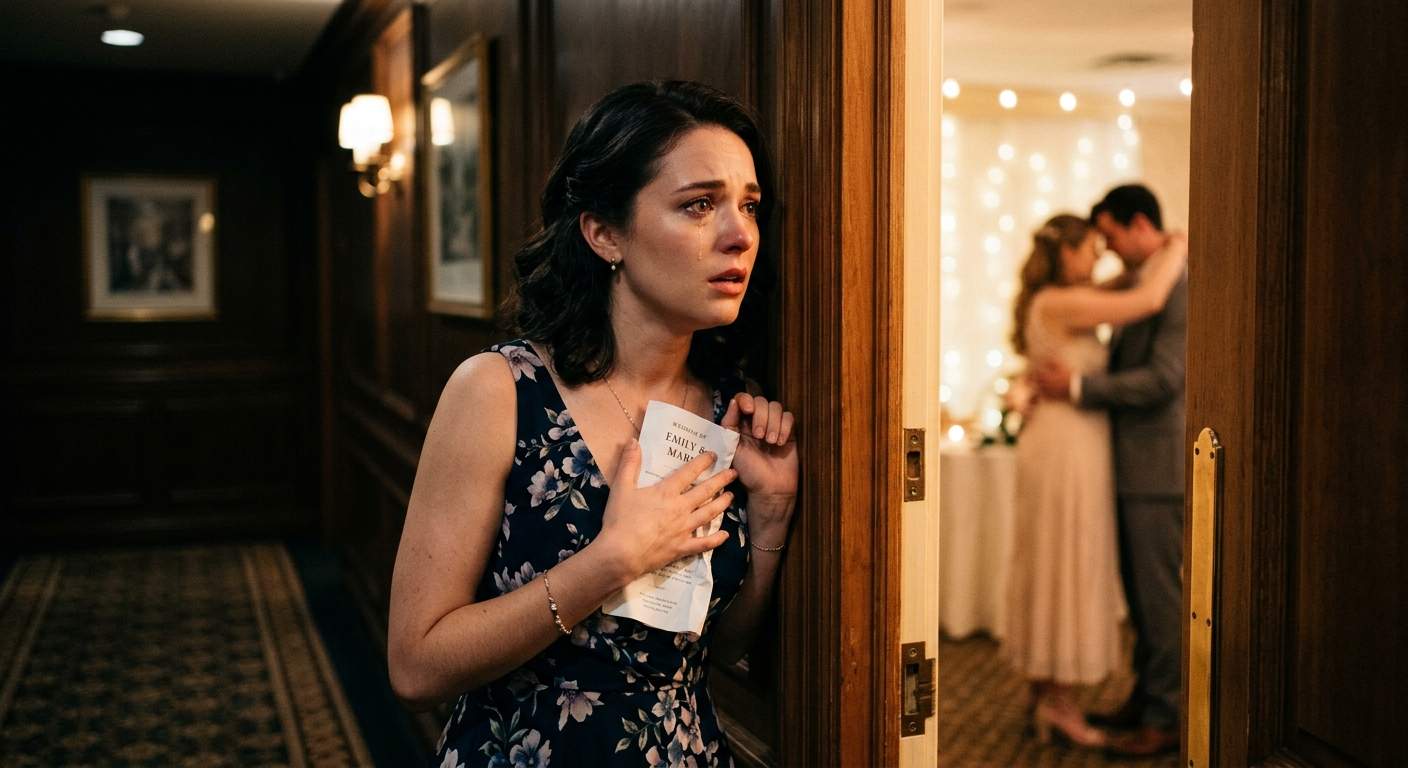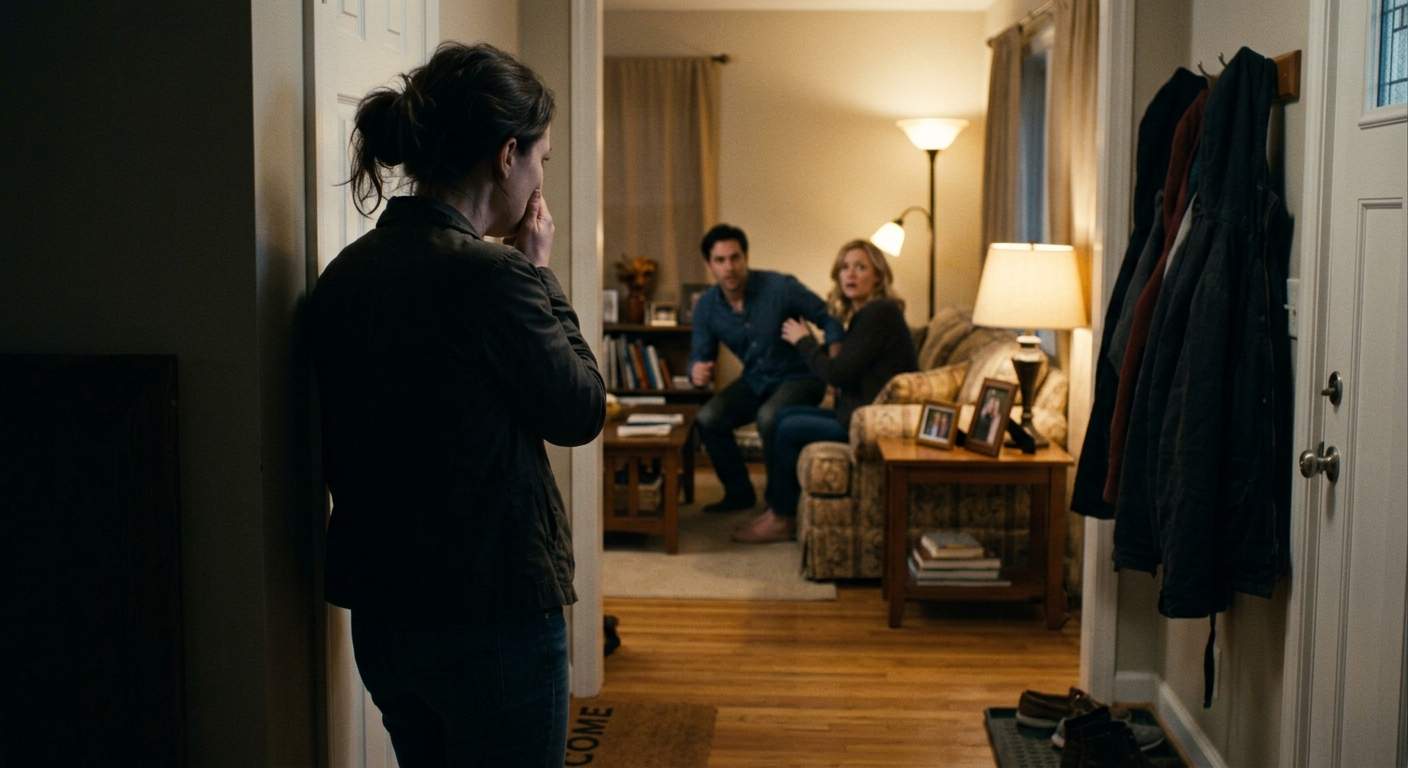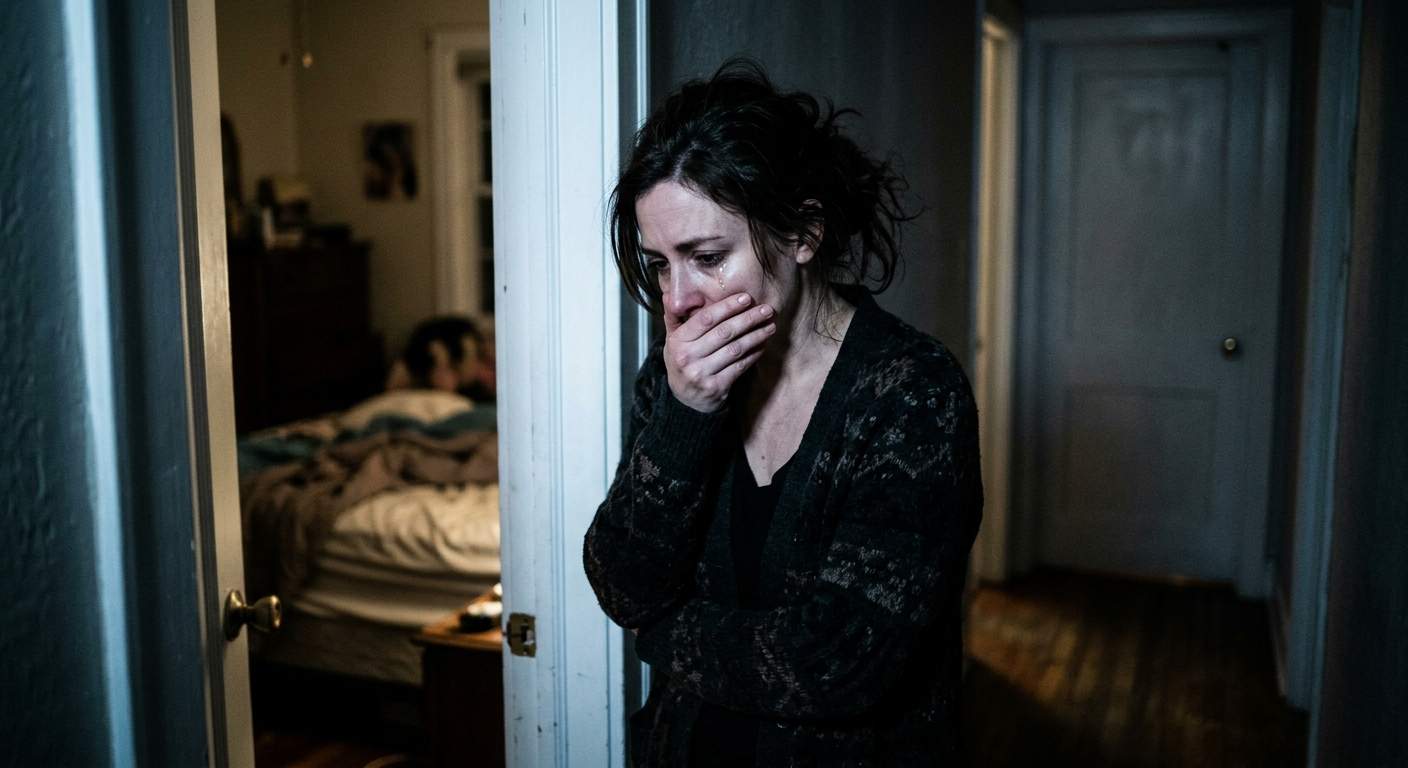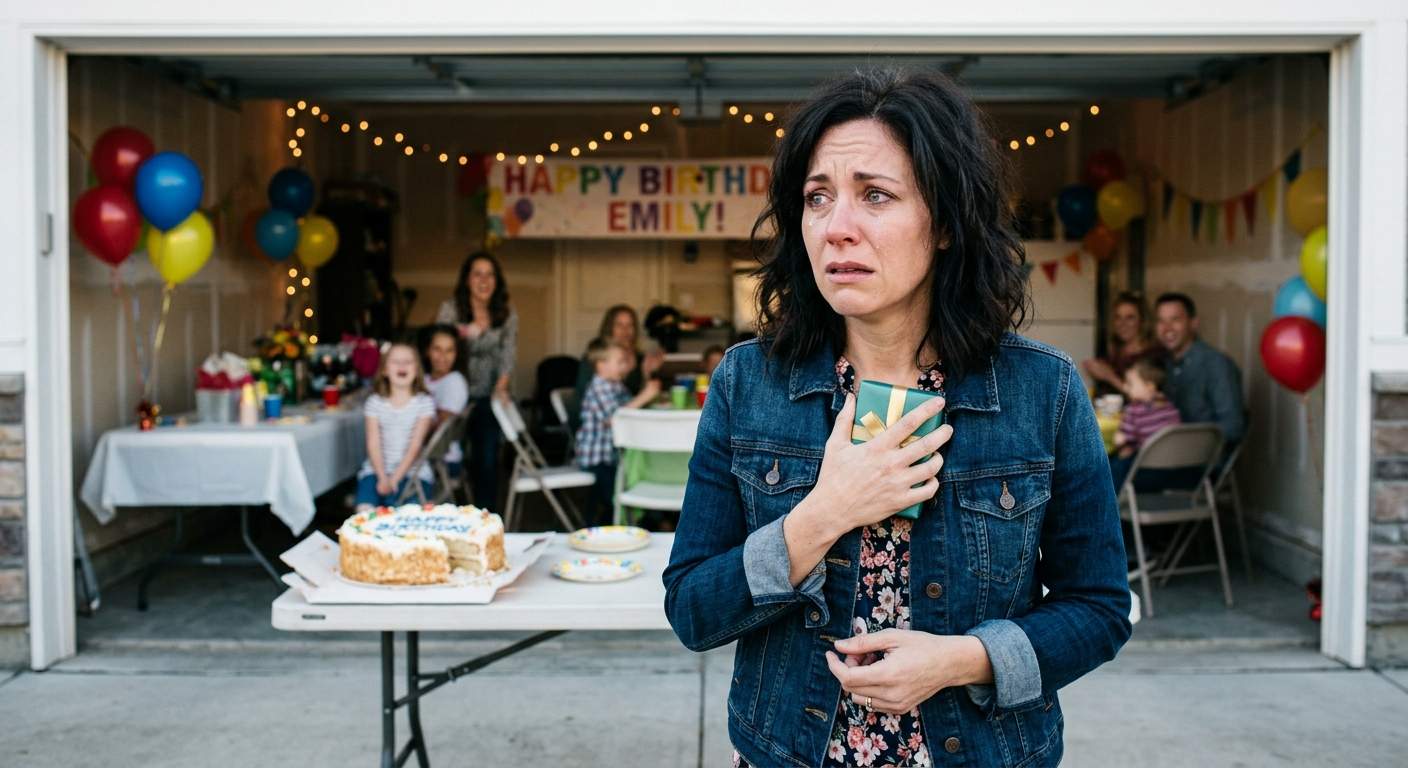
I never imagined clearing out Grandma Eleanor’s mansion would feel like an archaeological dig into my own past.
Every dusty antique, every faded photograph, held a whisper of stories I thought I knew.
Grandma, the formidable matriarch, had been the stoic center of our family, admired by all.
But there was always a quiet sadness about my mother, a deep-seated ache I could never quite place.
She rarely spoke of her own mother, Grandma Eleanor, with genuine warmth, only duty.
And Aunt Clara, my mother’s sister, was a phantom, a name whispered only with a shake of the head, a woman who had supposedly "run off" decades ago.
The family legend painted Clara as wild, selfish, a disgrace who abandoned her child and her family.
My mother grew up believing her own mother, Clara, had simply vanished, leaving her behind.
This narrative, spun by Grandma Eleanor, was as solid as the mansion’s stone walls.
I spent weeks sifting through decades of forgotten lives, each day heavier than the last.
Then, in Grandma Eleanor’s private study, a room rarely used even when she was alive, I noticed it.
Behind an oversized, ornate bookshelf, a slight misalignment in the paneling caught my eye.
My fingers traced the faint line, an almost invisible seam in the aged wood.
A hidden mechanism, cleverly disguised, yielded to a tentative push.
With a soft click, a narrow section of the bookshelf swung inwards, revealing not a wall, but darkness.
My heart hammered against my ribs, a mixture of fear and irresistible curiosity pulling me forward.
I fumbled for my phone’s flashlight, its beam piercing the musty air of a forgotten space.
It was a small room, cramped and airless, filled with the scent of aged paper and regret.
Dust motes danced in the single shaft of light, making the silence feel heavy, profound.
Against one wall sat a small, unvarnished wooden desk, a simple chair tucked beneath it.
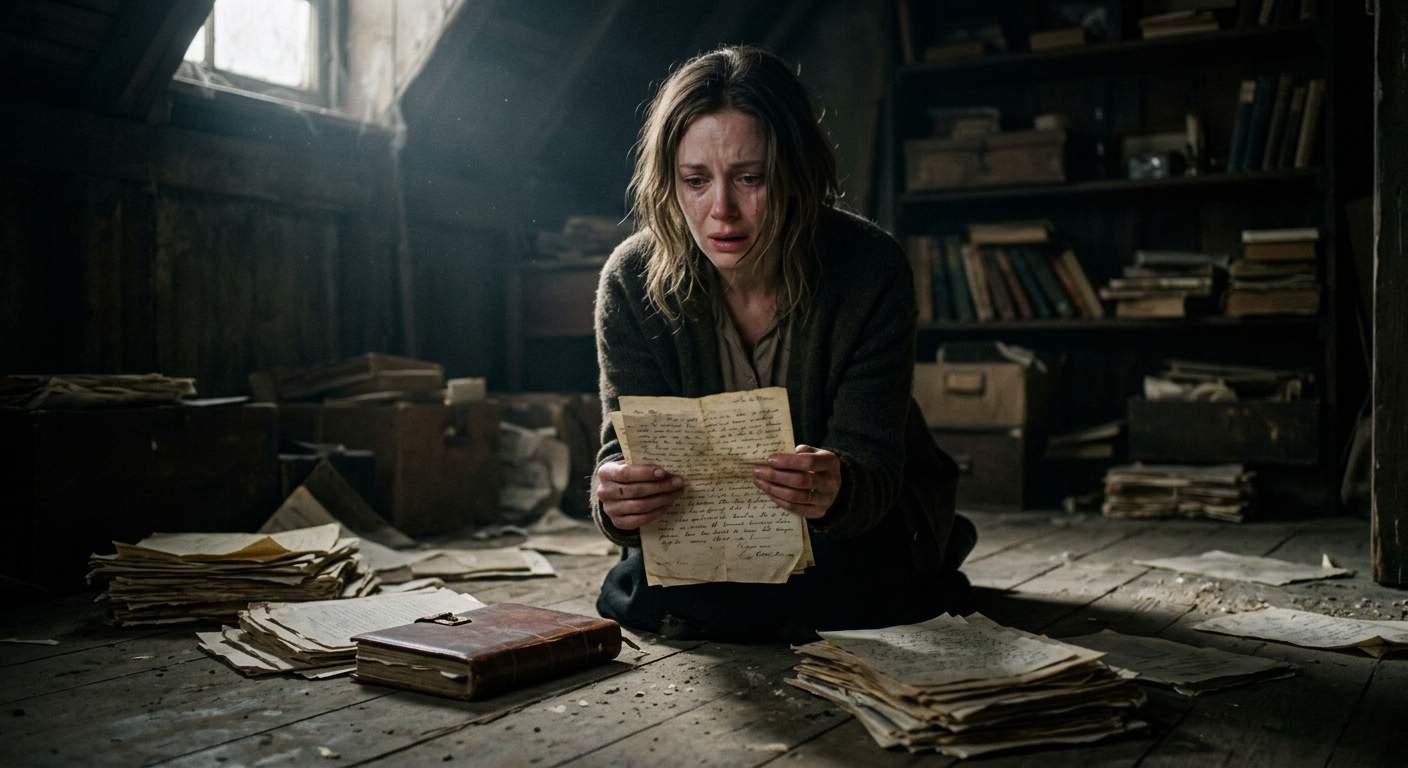
On the desk, beneath a thick layer of dust, lay a stack of yellowed letters, a leather-bound diary, and a small, intricately carved wooden box.
My hands trembled as I reached for the letters first, their fragile edges crumbling slightly at my touch.
They were correspondence between Grandma Eleanor and a lawyer, dating back sixty years.
The words blurred at first, then focused with horrifying clarity: discussions of "Clara’s unstable state," "necessary confinement," and "the child’s future."
Confinement? Unstable? This wasn't the "running off" story I’d been told.
I picked up the diary next, its lock long since rusted shut, prizing it open with a letter opener I’d found nearby.
Grandma Eleanor’s elegant script filled the pages, her private thoughts, her darkest secrets.
Each entry was a dagger, piercing the beautiful façade she had meticulously constructed.
The diary detailed not Clara’s abandonment, but Grandma Eleanor’s calculated, cruel betrayal.
Clara hadn’t run away; she had been framed for embezzlement from the family business, a lie orchestrated by Grandma herself.
Eleanor, consumed by jealousy over Clara’s free spirit and a desire to control the family fortune, had systematically destroyed her sister’s life.
She’d arranged for Clara to be institutionalized, fabricating evidence of mental instability to ensure her silence and removal.
My mother, a mere toddler then, was left in Eleanor’s care, growing up with the lie that her own mother had heartlessly deserted her.
The wooden box held faded photographs: Clara, beautiful and vibrant in her youth, then later, gaunt and despairing behind what looked like institutional bars.
There was a tiny, embroidered baby dress, pristine and untouched, likely my mother’s.
And a lock of auburn hair, tied with a ribbon, almost certainly Clara’s, labeled simply: "My sister’s folly."
I stared at the evidence, my world tilting violently on its axis.
The woman I had revered, the matriarch who taught me lessons of integrity, was a monstrous manipulator.
The foundation of our family, the very history I cherished, was a grand, meticulously crafted lie.
Every kind word Grandma Eleanor had ever spoken about "family loyalty" now tasted like ash.
My mother’s lifelong sadness, her quiet yearning for a mother she never knew, suddenly made heartbreaking sense.
Eleanor had not only banished Clara but had stolen my mother’s chance at true maternal love.
The weight of this truth settled on my shoulders, heavy and suffocating.
I felt a profound sense of loss, not just for Clara, but for the grandmother I thought I knew.
My family’s legacy, built on a mountain of deceit, now felt tainted, fragile, and ready to crumble.
The mansion, once a symbol of stability, now felt like a mausoleum of lies.
I left the secret room, the dust settling behind me, but the emotional debris was far from gone.
How could I ever look at my mother, knowing the depth of her grandmother's cruelty and the truth she deserved to know?
This secret wasn't just old news; it was a living wound, still festering through generations.
The irreversible consequences of Eleanor’s actions echoed through the quiet halls.
My vision of my family, once clear and strong, had been shattered into a million painful pieces.
And I, the reluctant discoverer, was now burdened with a truth that could either heal or destroy everything.