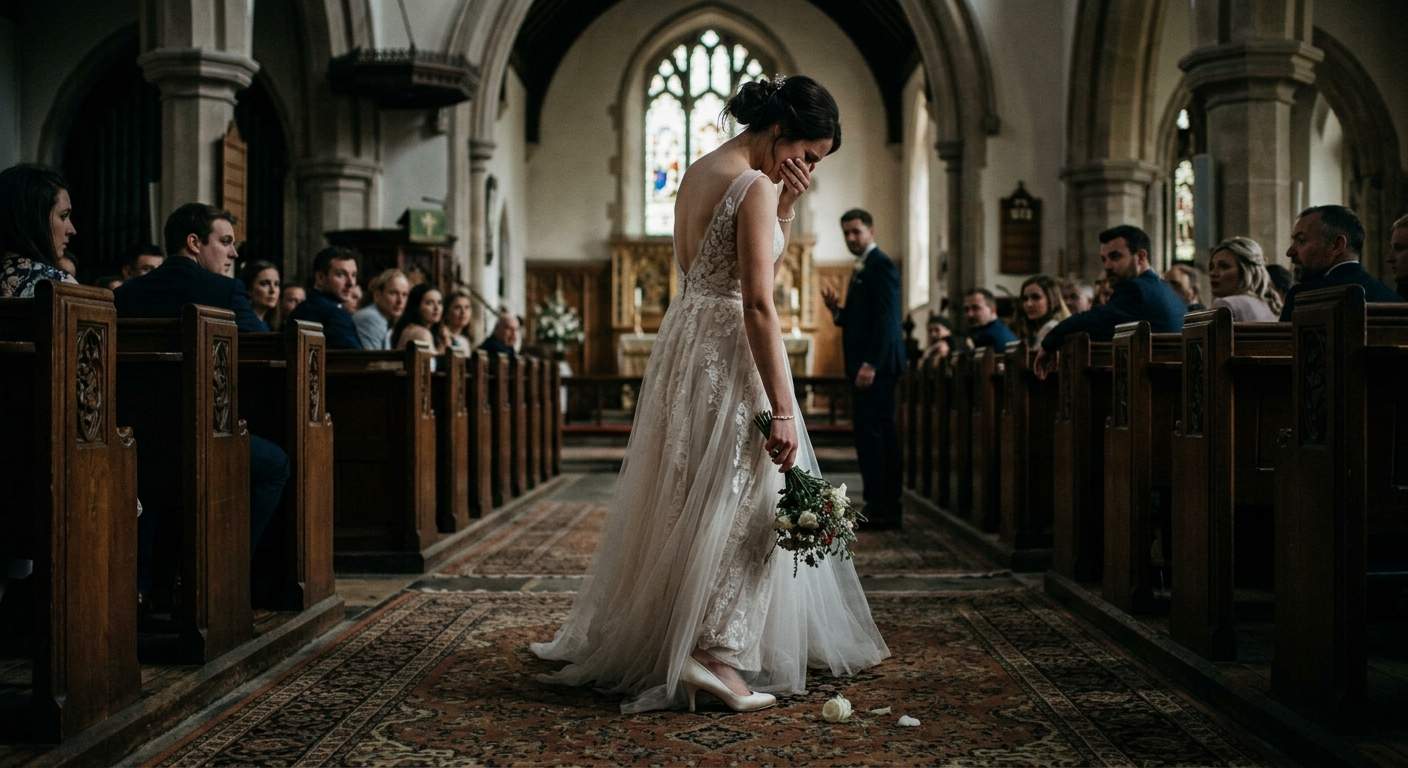
I never thought I’d own a place like this.
The old Hawthorne Manor had always been a distant, majestic whisper in our family’s history.
Now, its massive iron gates swung open for me, creaking a welcome I hadn't expected.
It was supposed to be my fresh start, my sanctuary from the city's relentless grind.
My inheritance, a beautiful but crumbling behemoth, felt like a promise of peace.
For weeks, I lost myself in its labyrinthine halls, inhaling the scent of aged wood and forgotten stories.
Every floorboard groaned underfoot, each whisper of wind through a broken pane felt like a voice from the past.
I spent countless hours just exploring, mapping out its grand, silent, dusty rooms.
One afternoon, while tracing an ornate pattern on a library wall, my hand slipped.
A section of the mahogany paneling gave way slightly, revealing a narrow gap.
My heart pounded a frantic rhythm against my ribs, a sudden surge of adrenaline.
Curiosity, a potent mix of childhood fantasy and adult dread, urged me forward.
With trembling fingers, I pushed, and a cleverly disguised door swung inward with a soft groan.
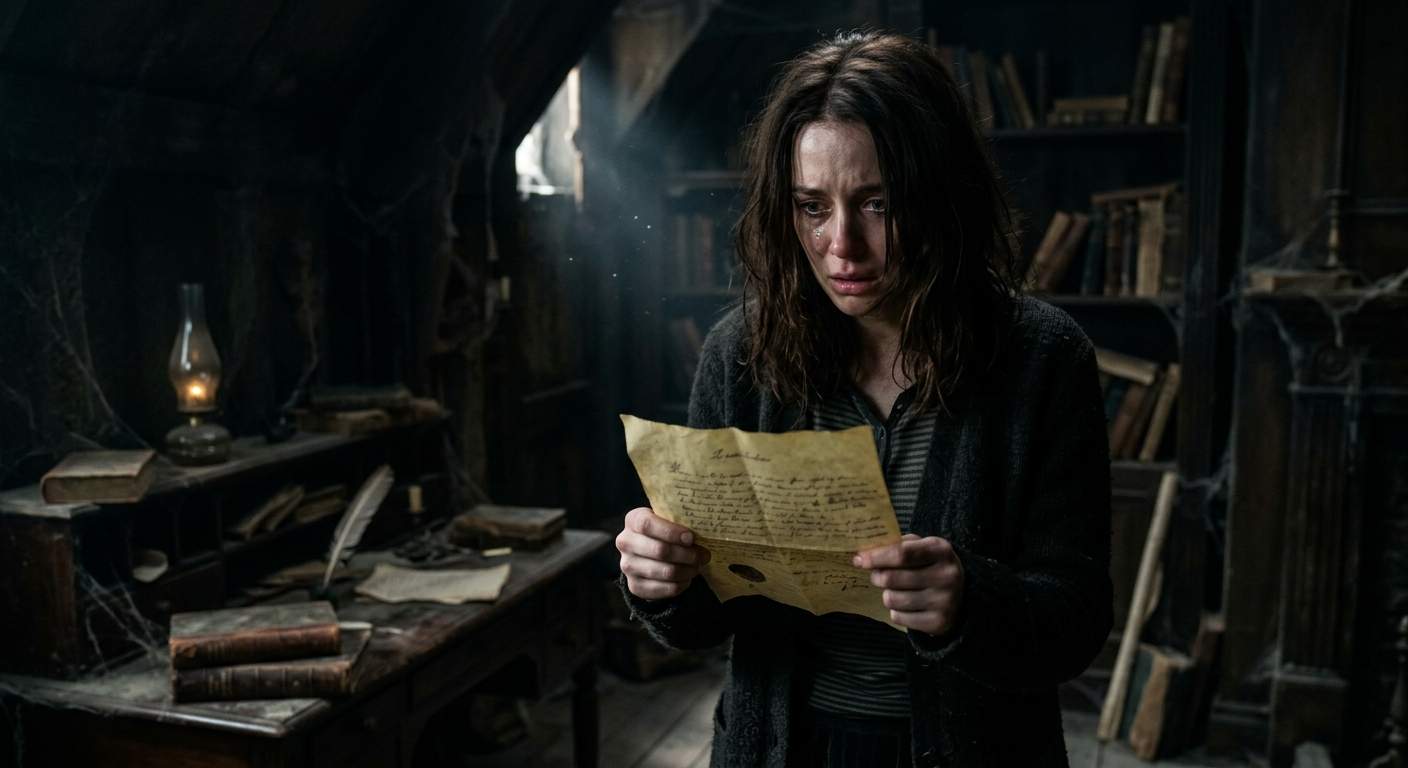
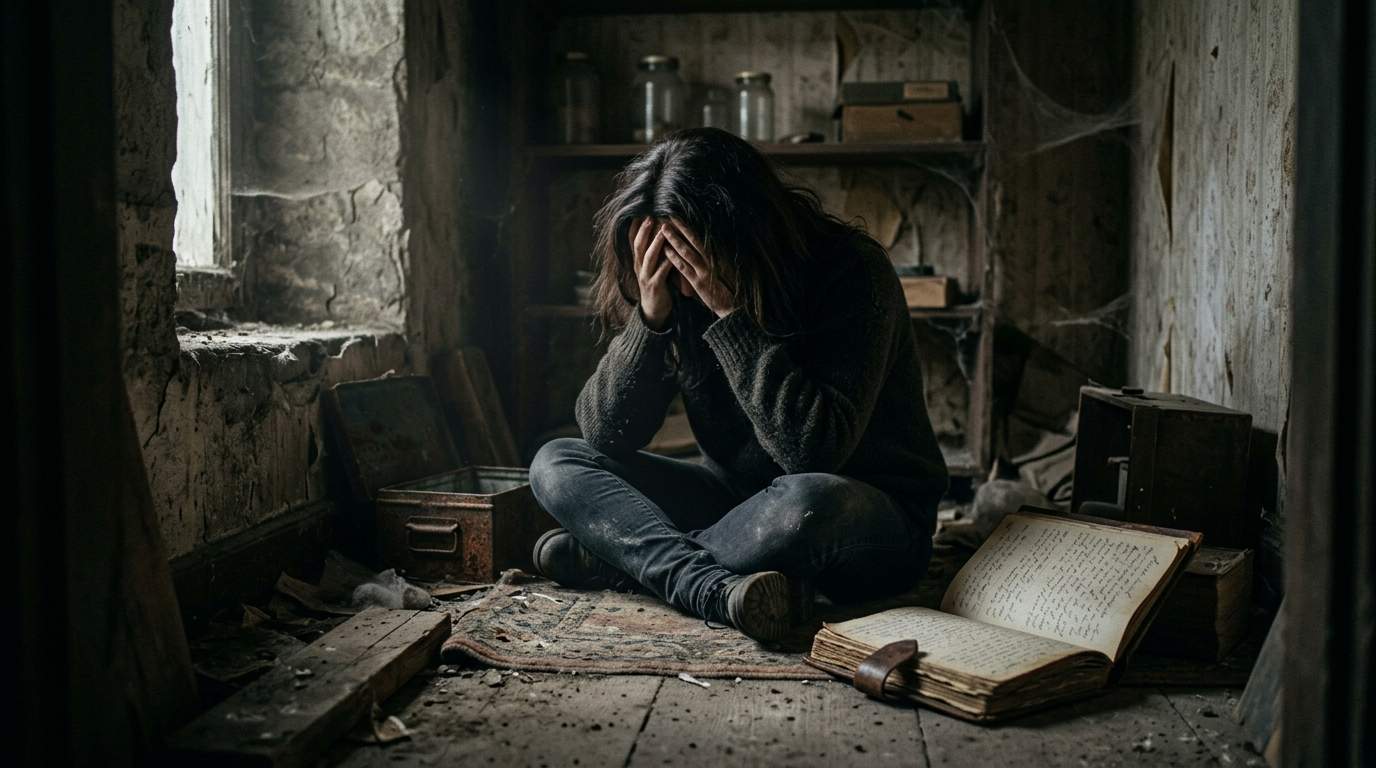
It wasn't a secret passage, but a cramped, unlit room, swallowed by perpetual shadow.
The air inside was thick with the scent of dust and something else, something stale and old.
A single, tarnished brass lantern hung precariously from the ceiling, its wick long gone.
In the corner, beneath a shroud of spiderwebs, sat a heavy, carved wooden chest.
My breath hitched in my throat as I knelt, my hands brushing away decades of grime.
The lock was intricate, a puzzle box, but it yielded with a soft click after a few tries.
I lifted the heavy lid, expecting antique jewelry or forgotten gold, a romantic treasure.
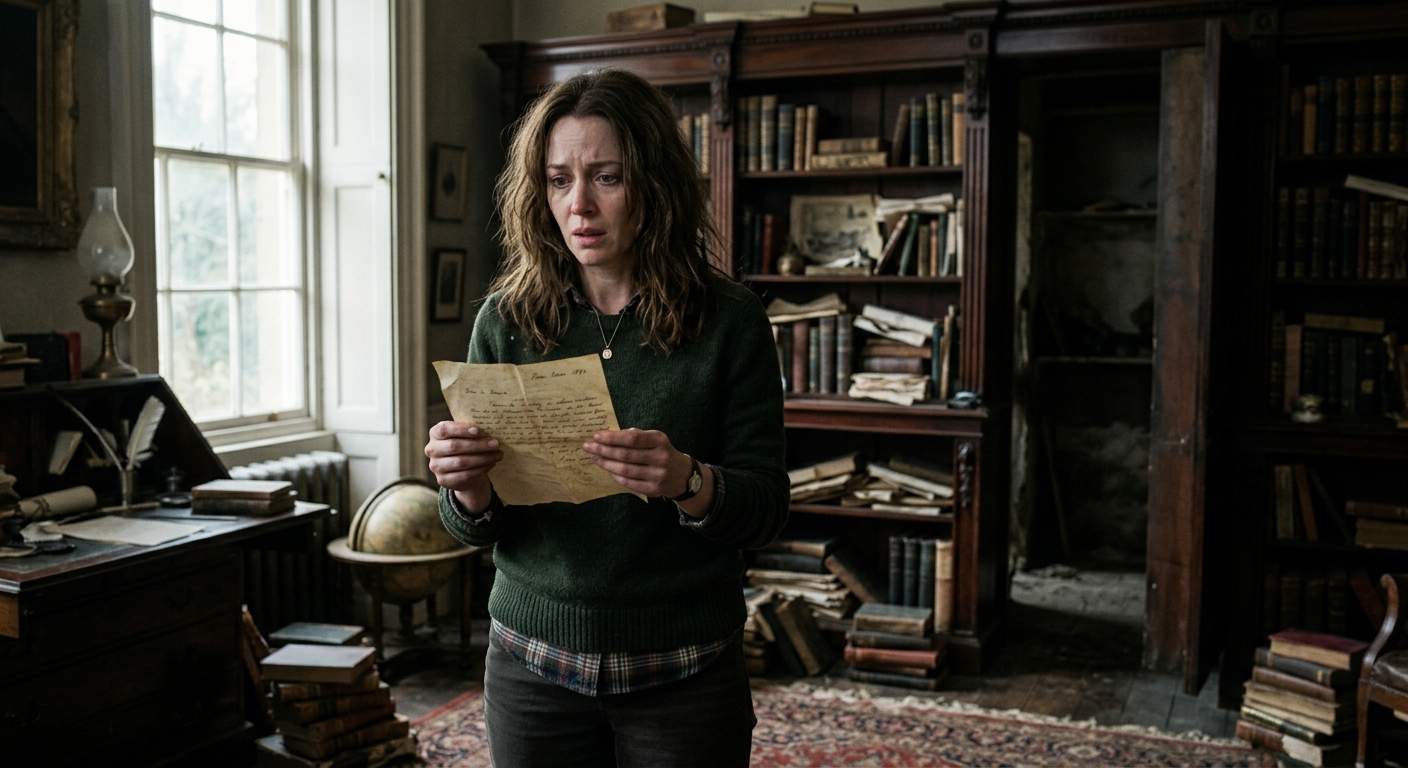
Instead, I found a stack of yellowed letters tied with a faded velvet ribbon.
Beneath them, nestled like a snake, was a leather-bound journal, its pages brittle with age.
The elegant script on the first page sent a shiver down my spine.
It was my great-grandmother's hand, clear and precise, detailing daily life.
But as I turned the pages, the tone shifted, growing darker, laced with a palpable fear.
She wrote of whispers, of hushed conversations, of late-night meetings in the very room I sat in.
She detailed her husband, my revered great-grandfather, Edwin Hawthorne, a supposed pillar of the community.
The journal started to describe him as cold, calculating, and driven by an insatiable greed.
He had a business partner, a man named Thomas Miller, whose family lived modestly nearby.
They had built the Hawthorne fortune together, or so I had always been told.
My great-grandmother's entries painted a different, chilling picture entirely.
She wrote of Edwin's escalating debts, his reckless investments, his desperation to maintain his facade.
Then came the entries about a desperate scheme, a calculated betrayal.
Edwin planned to frame Thomas for embezzlement, to take everything.
The next few pages detailed Thomas's bewildered denial, his agonizing arrest, his public humiliation.
My great-grandmother chronicled the fake evidence planted, the bribed witnesses, the rigged trial.
Thomas Miller was convicted, his name dragged through the mud, his family ruined.
He died in prison, a broken man, maintaining his innocence until his last breath.
My great-grandfather, Edwin, absorbed Thomas's share of the empire, consolidating his power.
He built the grand west wing of the mansion with the stolen fortune.
The very mansion I was now living in, built on a foundation of lies and suffering.
My great-grandmother, consumed by guilt and terror, started secretly documenting everything.
She wrote about trying to confess, but Edwin threatened her, isolating her completely.
She feared for her children, my grandmother, if she spoke out.
The journal entries became more frantic, hidden deeper within the innocuous domestic details.
She meticulously hid the letters too, Thomas’s last desperate pleas for justice.
He had written to Edwin, begging him to reconsider, to confess, to spare his family.
Edwin had burned Thomas’s original letters, but my great-grandmother had kept copies.
She had secreted them away, along with the journal, hoping one day the truth would emerge.
The final entry simply read: "The weight of this secret is a crushing burden. May God forgive us."
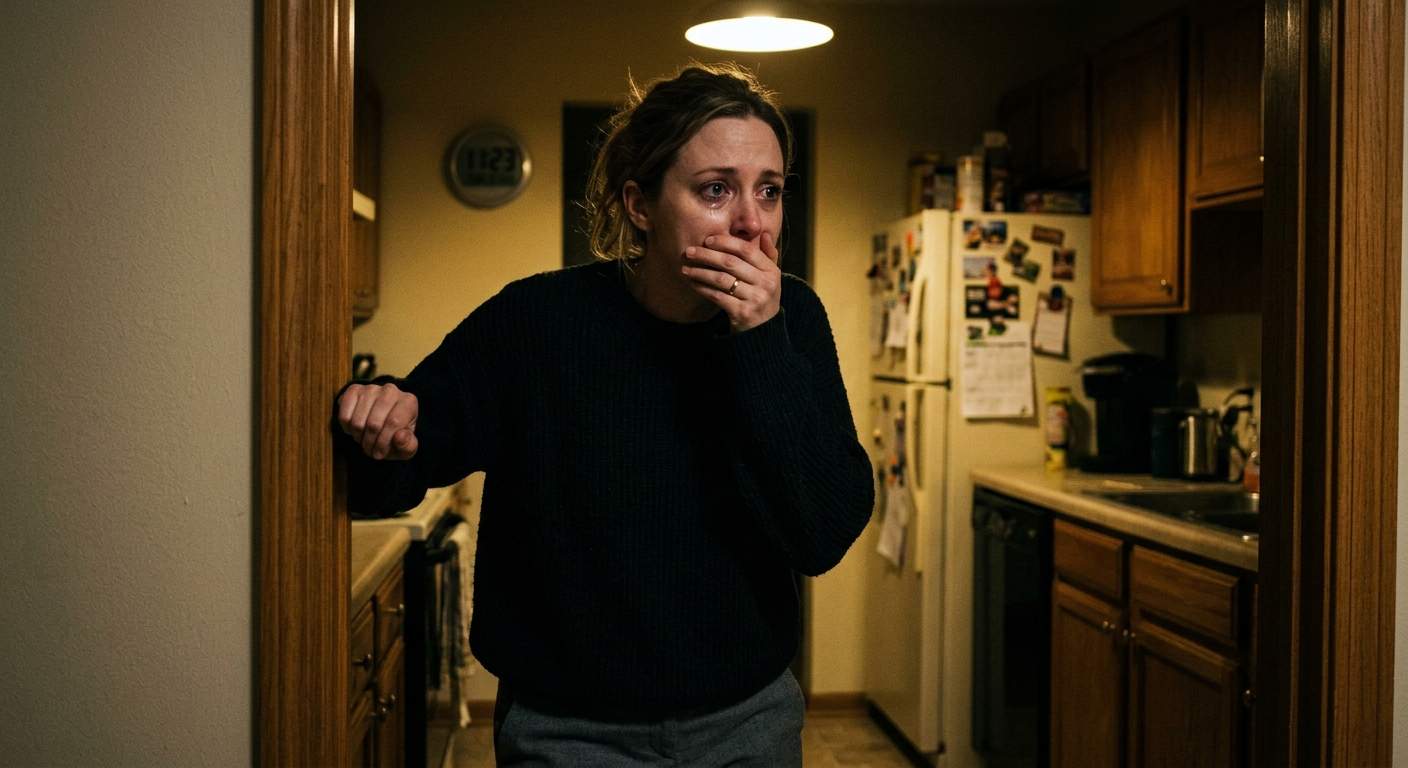
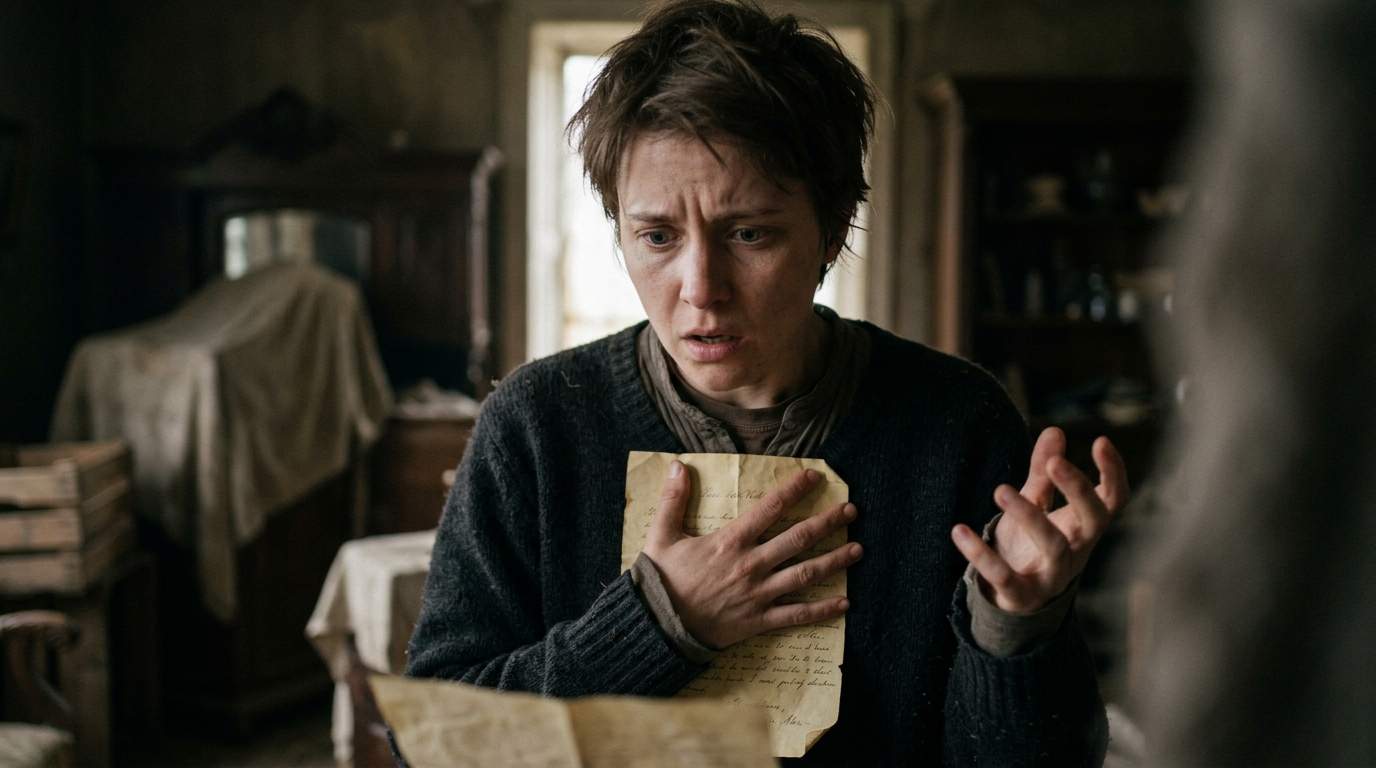
My hands, still clutching the journal, began to tremble uncontrollably.
A wave of nausea washed over me, hot and sickening, making the room spin.
Every story I’d ever heard about my virtuous, successful lineage was a carefully constructed lie.
My great-grandfather, the man I was taught to admire, was a monster.
He had destroyed an innocent man, all for money and status.
The grandeur of the mansion, once a source of pride, now felt tainted, a monument to deceit.
My family’s wealth, my inheritance, was built on a crime, on a broken man’s life.
I felt a profound sense of betrayal, not just by the dead, but by the living who kept silent.
My grandmother, my father, they must have known something, felt something.
Why was this never spoken of, why was the truth buried so deep?
The weight of this newfound knowledge was suffocating, pressing down on my chest.
I looked at my hands, shaking, seeing the stain of this secret on them too.
How could I live in these walls, knowing the injustice they represented?
My dream home had become a tomb of lies, a constant reminder of ancestral sin.
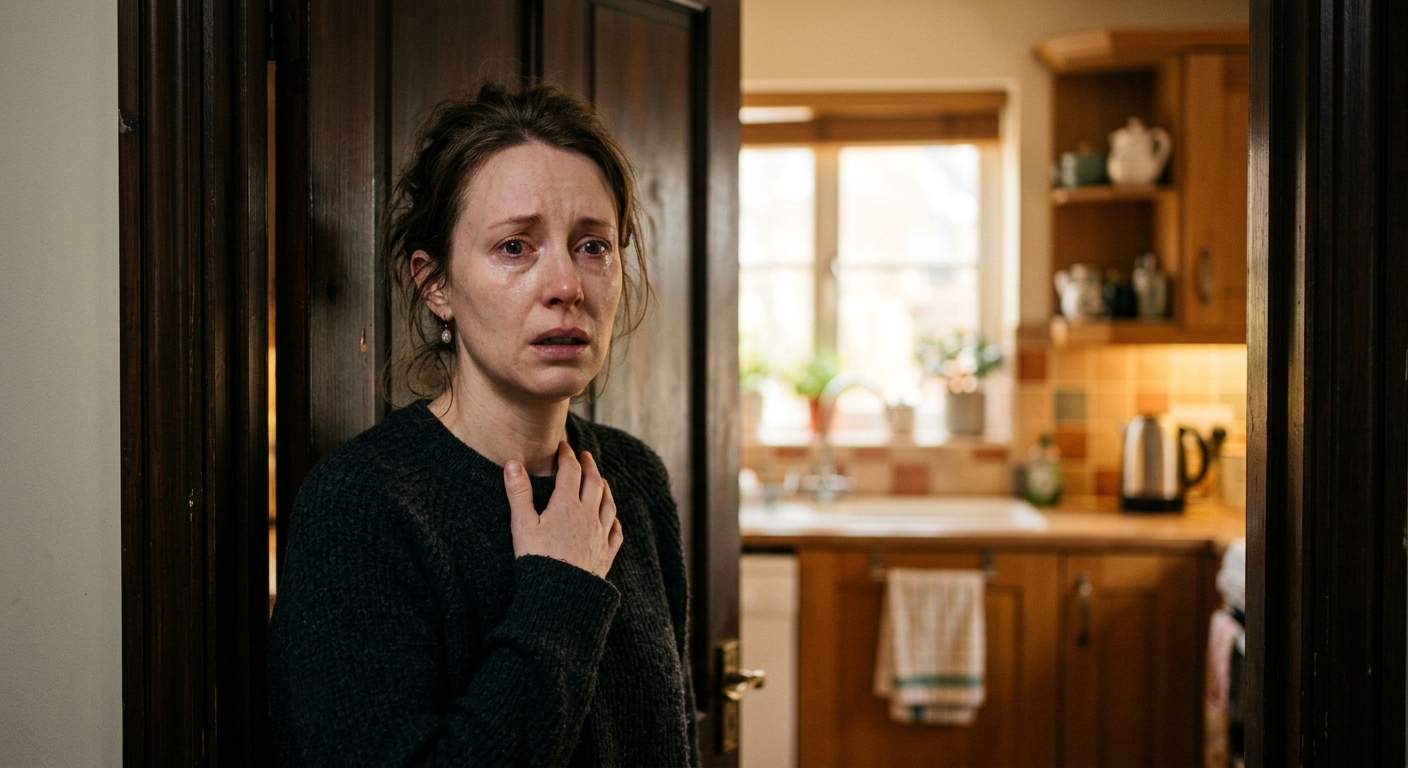
The joy, the excitement, the fresh start I had envisioned, shattered into a million pieces.
My perception of my entire family, my own identity, was irrevocably fractured.
I stood up slowly, the journal slipping from my grasp, falling open on the dusty floor.
The echoes of the past, once charming, were now menacing, accusing whispers.
I felt a cold dread seep into my bones, a loneliness unlike anything I’d ever known.
This mansion, this inheritance, had trapped me in a horrifying legacy.
I was no longer just the owner; I was now the reluctant keeper of a terrible, terrible truth.
The silence of the house pressed in, no longer peaceful, but heavy with untold suffering.
My world, once orderly and familiar, had just been turned completely inside out.
What was I supposed to do with this horrific, impossible knowledge?
It was an irreversible consequence, a burden I never asked for, a stain on my very existence.