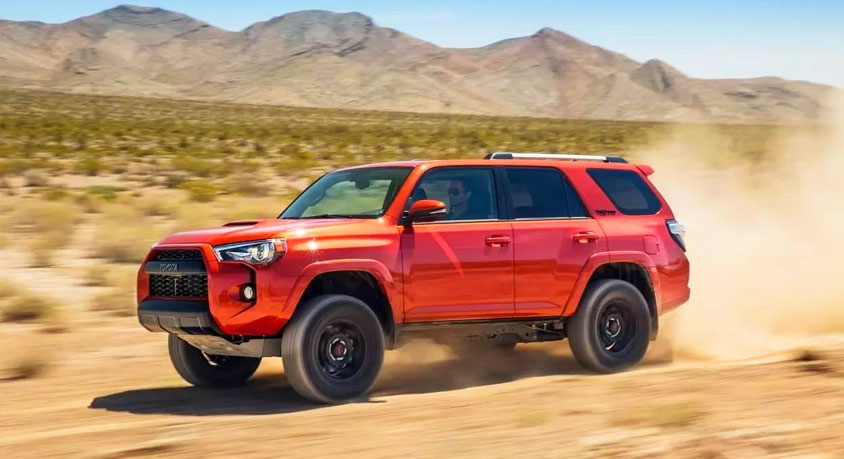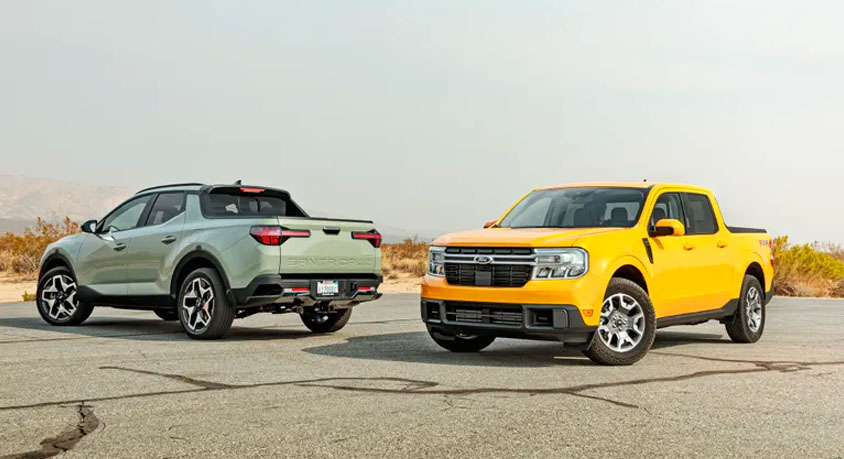
You drive a new car off the lot, and somewhere between the dealership exit and the first traffic light, you lose $5,000. By the end of the first year, that depreciation can exceed 20% of the purchase price. This is not a bug in the system; it is the system itself. The new car market is designed to extract maximum value from those who value the smell of fresh plastic and the status of being first. For everyone else, there is a smarter path, one that exploits the gap between initial depreciation and remaining useful life. Certified Pre-Owned vehicles, or CPO, represent a middle ground that offers the best of both worlds: the peace of mind of a factory-backed warranty and the financial logic of a used car. In 2026, with new car prices averaging nearly $50,000, the CPO strategy is not just smart; it is essential for anyone who wants to maximize their automotive dollar.
The mathematics of depreciation are brutal and predictable. A $45,000 SUV loses roughly $9,000 in its first year and another $4,500 in its second. By the time it reaches three years old, it has shed nearly one-third of its original value. This is not a reflection of its mechanical condition; it is a reflection of market psychology. The car is largely the same as it was when new, but its price has dropped into a range where ordinary people can afford it. A CPO vehicle, typically 2-4 years old with 30,000 to 50,000 miles, captures this depreciation arbitrage. You let someone else absorb the steepest part of the curve, and you step in just as the value stabilizes. The same $45,000 SUV, bought as a CPO, might cost $28,000. That $17,000 difference is money in your pocket, money that can be invested, saved, or spent on literally anything other than automotive status anxiety.
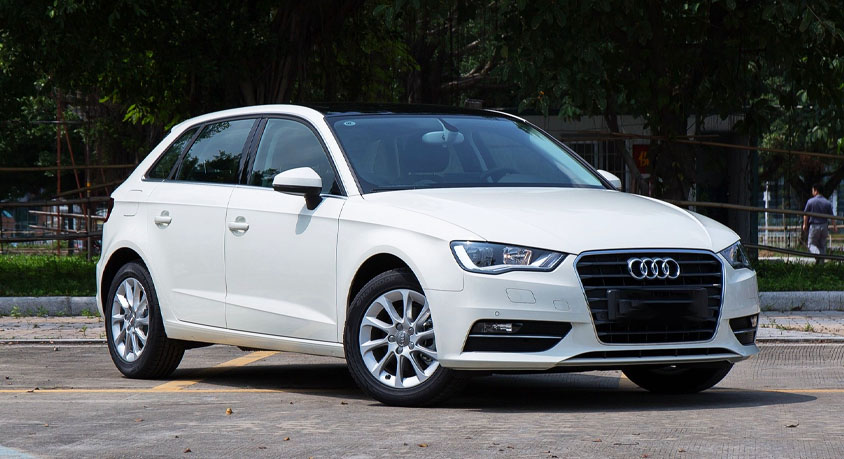
The certification process is what separates CPO from ordinary used cars. Manufacturers have realized that they can capture a premium by backing used vehicles with warranties and inspections. A CPO vehicle must pass a rigorous multi-point inspection, typically 150 to 200 points, covering everything from engine compression to tire tread depth. Any worn components are replaced with factory parts. The vehicle comes with an extended warranty, often adding 1-2 years to the original coverage, and may include roadside assistance and other perks. For luxury brands, CPO programs are particularly valuable. A 3-year-old BMW or Audi, CPO-certified, offers the experience of European luxury with the protection of a factory-backed warranty, at a price that undercuts a new Honda Accord. The trade-off is that you are buying a vehicle that has been driven by someone else, with all the minor wear and tear that implies. The interior may have faint scratches, the tires may have half their life remaining, and the technology, while recent, is not the absolute latest.
The financing advantage of CPO is another factor that rewards the savvy buyer. New car loans, in 2026, carry interest rates averaging 6-7% for well-qualified buyers. CPO loans, because the vehicle is slightly older, often carry slightly higher rates, but the lower principal more than compensates. A $28,000 CPO loan at 7% costs significantly less in total interest than a $45,000 new car loan at 6%. The monthly payment difference can be hundreds of dollars, freeing up cash flow for maintenance, insurance, or savings. Insurance costs also favor the CPO, as comprehensive and collision coverage are based on the vehicle's value. Insuring a $28,000 car costs less than insuring a $45,000 car, all else being equal. Over three years, these differences compound into real money.
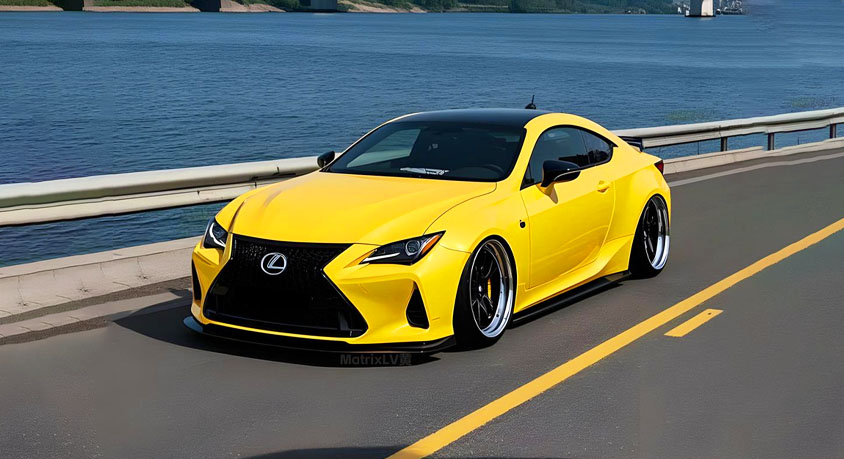
The specific CPO programs worth considering vary by brand and philosophy. Lexus CPO is widely regarded as the gold standard, with a comprehensive inspection, unlimited-mileage warranty on certain components, and a reputation for customer service that borders on obsessive. Toyota and Honda CPO programs offer similar value at lower price points, providing near-new reliability with warranty coverage that extends well beyond the original. For those seeking luxury on a budget, Genesis CPO is a compelling option, as the brand's 10-year/100,000-mile powertrain warranty transfers to subsequent owners, effectively providing coverage that rivals new cars. BMW and Audi CPO programs offer the peace of mind needed to own a German vehicle without the terror of out-of-warranty repairs, though the inspection standards vary by dealer.
The compromises of CPO are real and worth acknowledging. You are not buying a new car, and you will not have that experience. The vehicle may have minor cosmetic flaws, the smell of the previous owner's life, and technology that is a generation behind. The selection is limited to whatever is available on dealer lots, and popular models can be scarce. The warranty, while valuable, may have exclusions and deductibles that require careful reading. The financing, as noted, may carry slightly higher rates. And the emotional satisfaction of owning something brand new, untouched by anyone else, is simply not available. For some buyers, this is a deal-breaker. For others, it is an acceptable trade-off for financial sanity.
If you value the new car experience above all else, if the smell, the status, and the zero-mile odometer are worth the premium, buy new. There is no shame in that choice. But if you value financial flexibility, if you want to maximize what you get for your money, if you understand that a 3-year-old car with 30,000 miles is mechanically indistinguishable from a new one, then CPO is the strategy. You will drive a better car, with warranty protection, for less money. You will pay less in interest, less in insurance, and less in depreciation. And when you sell it in five years, you will lose less than the new car buyer lost in the first year. That is not just smart; it is the definition of winning the game.